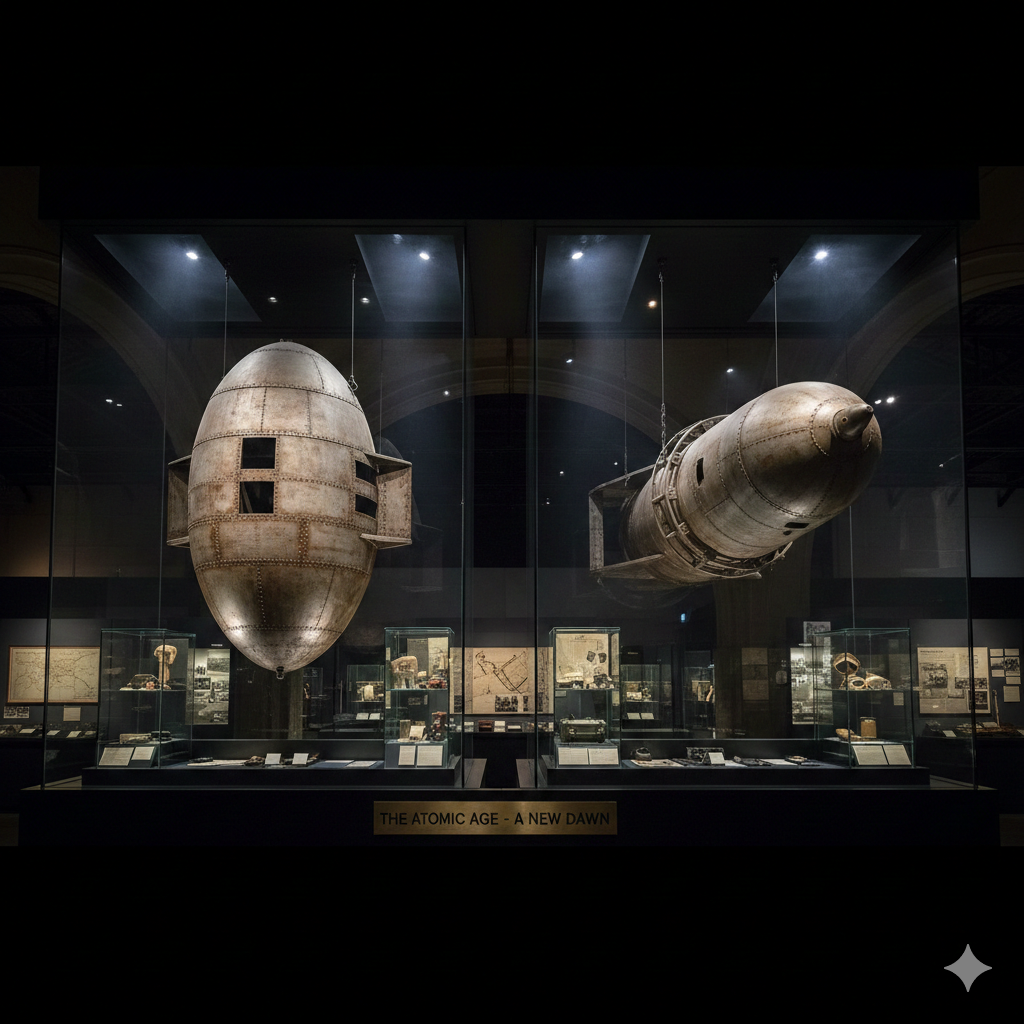
Fat Man and Little Boy Atomic Bombs - Historical Display

Fat Man & Little Boy

Complete technical analysis of the world's first atomic bombs. Explore the physics, engineering, and historical impact of the Manhattan Project's most infamous creations.

WARNING: Sensitive technical and historical content
2
Atomic Bombs Used
214K+
Immediate Casualties
3.5 Years
Manhattan Project
$2B
Total Cost (2023 USD)

Technical Specifications & Design

Little Boy

Gun-Type Design
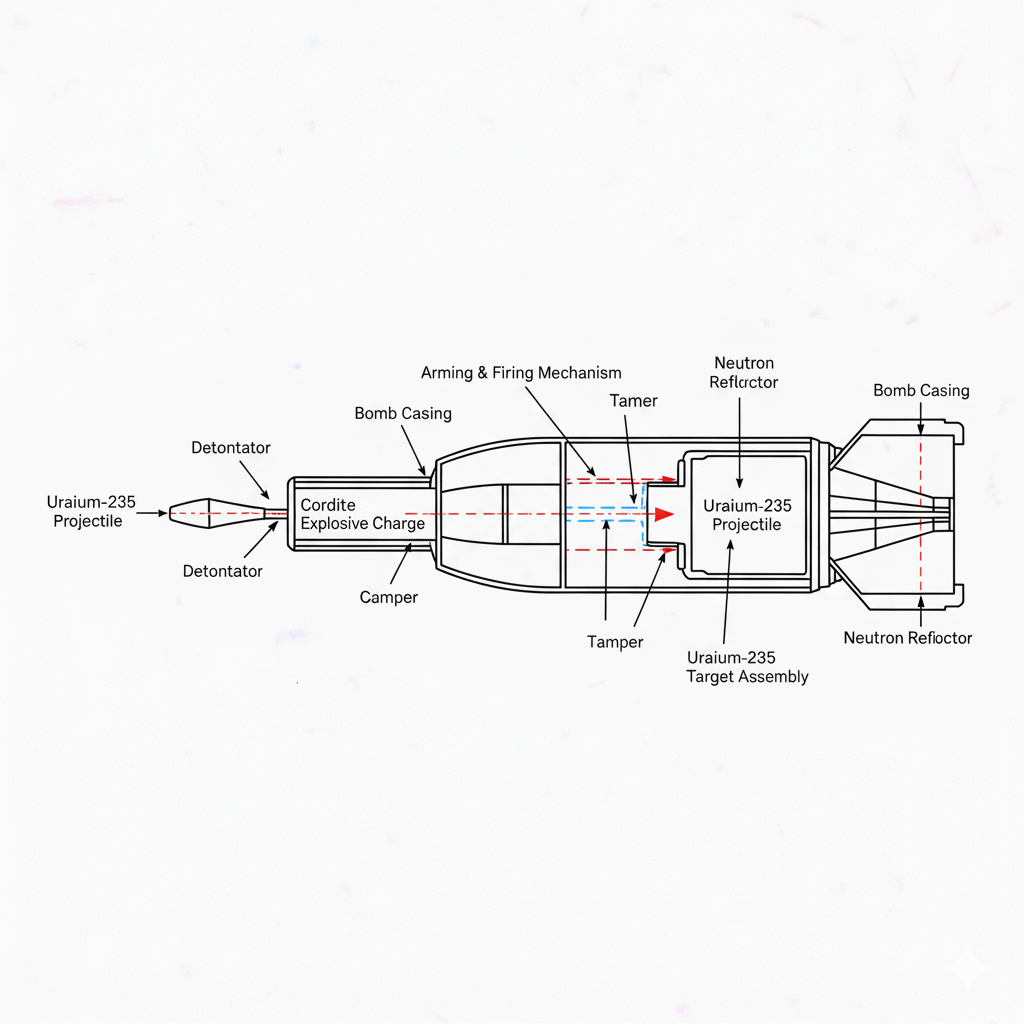
Little Boy Gun-Type Design Schematic - Uranium-235 Assembly Mechanism

Fig 1: Gun-type assembly mechanism - Uranium projectile fired into target

Target: Hiroshima
Yield: 15 kilotons TNT
Material: 64 kg U-235 (1.7% fissioned)
Efficiency: 1.38%

Design Principle:

Gun-type assembly. One sub-critical mass of U-235 fired into another using conventional explosives. Simple but inefficient design with only 1.7% of material undergoing fission.

Fat Man

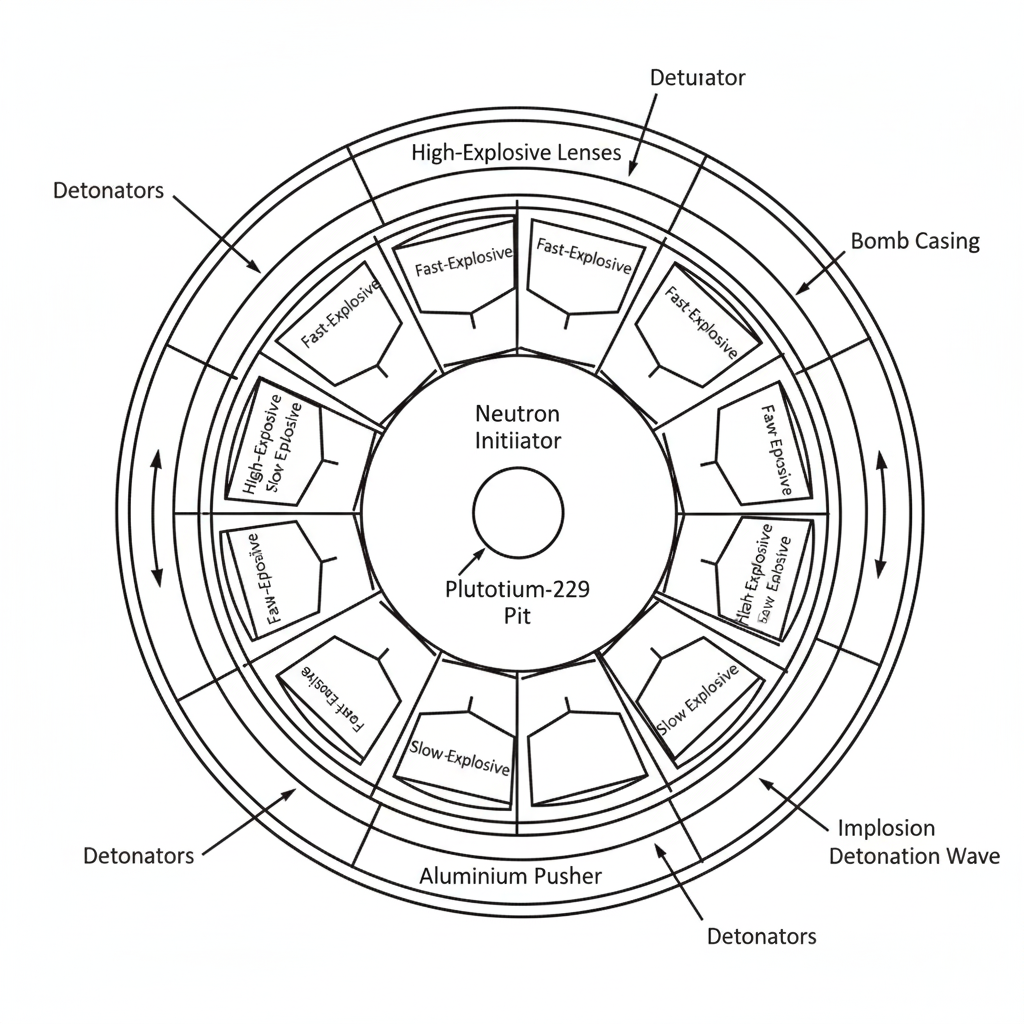
Implosion Design
Fat Man Implosion Design Schematic - Plutonium Core Compression

Fig 2: Implosion-type design - Explosive lenses compress plutonium core

Target: Nagasaki
Yield: 21 kilotons TNT
Material: 6.2 kg Pu-239 (17% fissioned)
Efficiency: 14%

Design Principle:

Implosion assembly. High explosives compress sub-critical plutonium sphere to super-critical density. More efficient design with neutron initiator at center.

Implosion Mechanism Demonstration

Watch how the Fat Man's implosion design works. This video demonstrates the spherical compression of plutonium core using precisely timed explosive lenses - the key innovation that made plutonium bombs possible.

Video demonstration showing implosion mechanism used in Fat Man atomic bomb

Key Innovations Shown

  • Spherical explosive lens arrangement
  • Simultaneous detonation timing (within 0.1 μs)
  • Plutonium core compression to super-critical density
  • Neutron initiator activation at perfect moment

Technical Challenges Solved

  • Precision explosive lens manufacturing
  • Microsecond timing synchronization
  • Spherical shockwave convergence
  • Neutron initiator reliability

Nuclear Physics & Engineering Details

Little Boy: Gun-Type Design

Critical Components:

1

Target Assembly

38 kg U-235 rings (sub-critical mass)

2

Projectile Assembly

26 kg U-235 cylinder (sub-critical mass)

3

Gun Barrel

1.8m long, 10cm diameter steel tube

Firing Sequence (1 ms total):

  1. 0 ms: Cordite explosive propellant ignited
  2. 0.3 ms: Projectile accelerated to 300 m/s
  3. 0.6 ms: Projectile strikes target assembly
  4. 0.7 ms: Super-critical mass achieved (64 kg total)
  5. 0.8 ms: Neutron initiator activated
  6. 1.0 ms: Chain reaction begins (80 generations)

Fat Man: Implosion Design

Layered Structure:

1

Plutonium Core

6.2 kg Pu-239 sphere (sub-critical)

2

Tamper/Reflector

Natural uranium shell (120 kg)

3

Explosive Lenses

32 pentagonal/hexagonal segments

Implosion Sequence (1 μs total):

  1. 0 μs: 32 detonators fire simultaneously
  2. 0.2 μs: Explosive shockwave converges spherically
  3. 0.5 μs: Plutonium core compressed to 2× density
  4. 0.7 μs: Neutron initiator crushed, releasing neutrons
  5. 0.9 μs: Super-critical state achieved
  6. 1.0 μs: Chain reaction occurs (55 generations)

Historical Photographs & Documentation

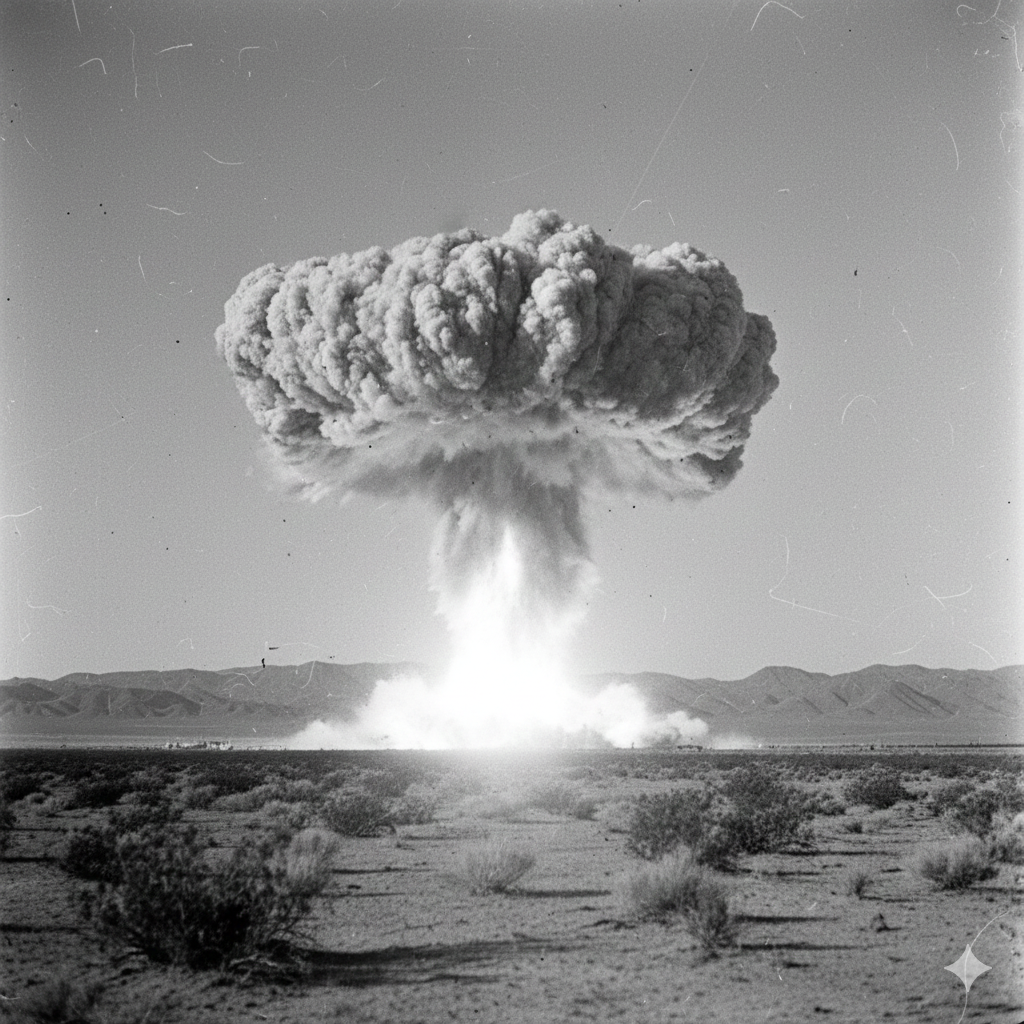
Trinity Test - First Nuclear Explosion July 16 1945

Trinity Test

First atomic explosion, Alamogordo, July 16, 1945

Yield: 25kt
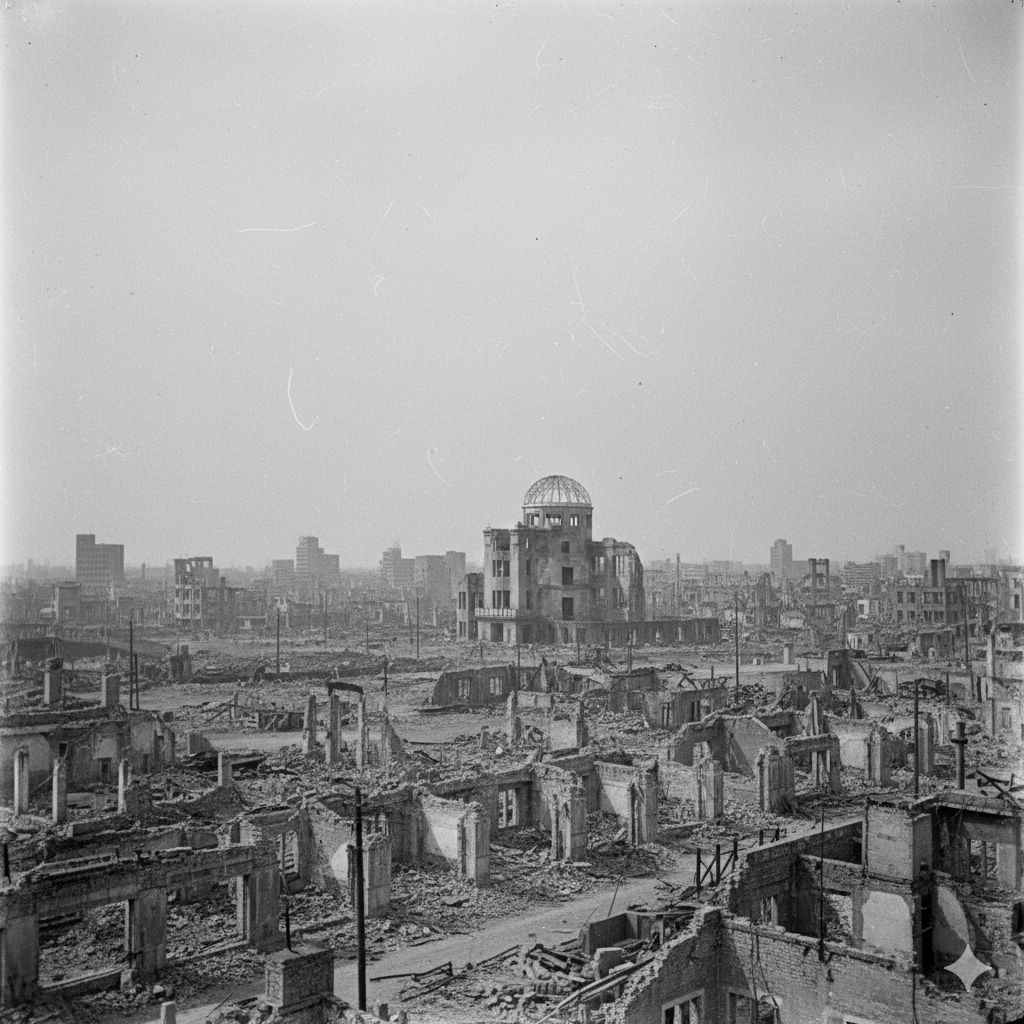
Hiroshima Devastation After Little Boy Atomic Bomb

Hiroshima Aftermath

August 6, 1945 - 70,000-80,000 immediate deaths

Gun-type
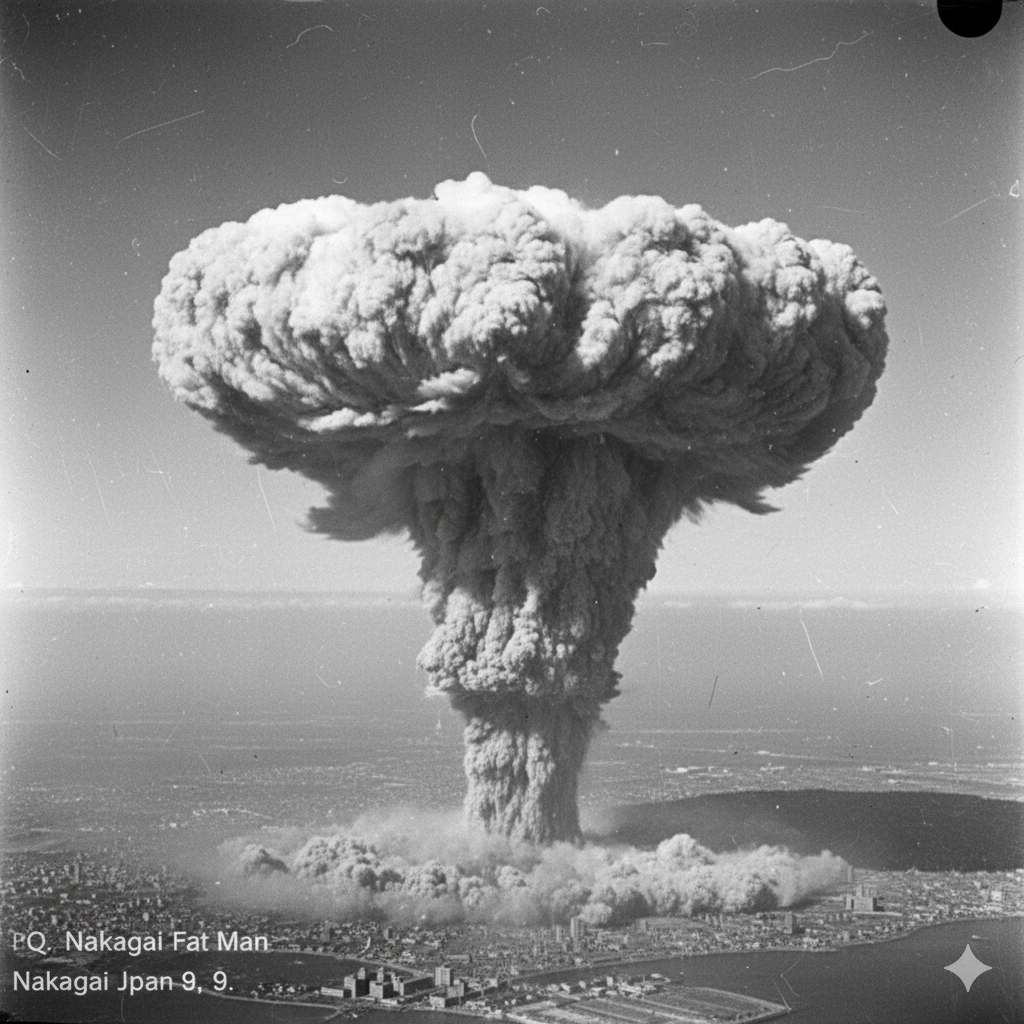
Nagasaki Mushroom Cloud Fat Man Atomic Bomb

Nagasaki Cloud

August 9, 1945 - 40,000-75,000 immediate deaths

Implosion
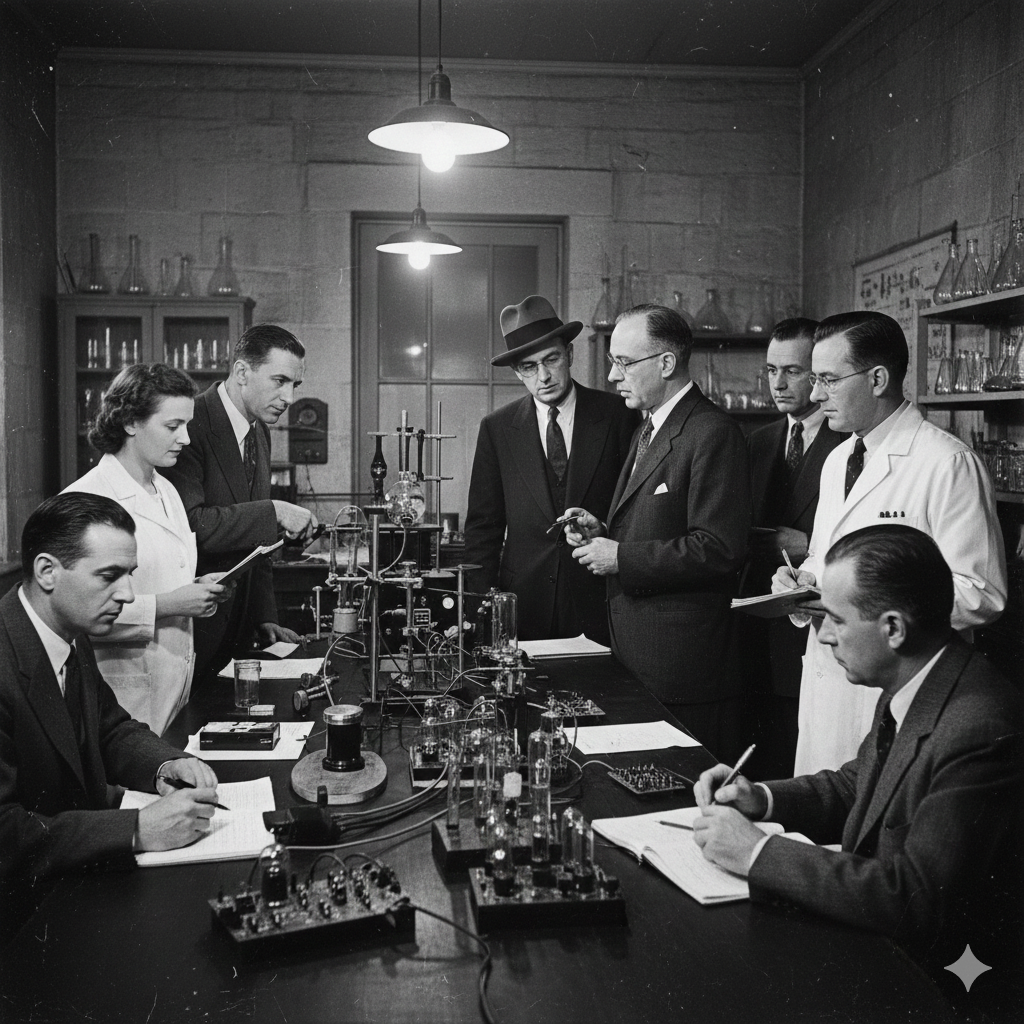
Manhattan Project Scientists J Robert Oppenheimer Team

The Manhattan Project Team

Led by J. Robert Oppenheimer, this secret project involved over 130,000 people and cost nearly $2 billion (2023 equivalent). Scientists included Enrico Fermi, Richard Feynman, and Niels Bohr.

J. Robert Oppenheimer Enrico Fermi Richard Feynman

Technical Comparison & Analysis

Parameter Little Boy Fat Man
Design Type Gun-type assembly Implosion-type assembly
Fissile Material Enriched Uranium-235 Plutonium-239
Material Mass 64 kg (1.7% fissioned) 6.2 kg (17% fissioned)
Efficiency 1.38% of material 14% of material
Detonation Height 580 meters 503 meters
Fireball Radius 180 meters 200 meters
Radiation Radius (5 Sv) ~1.2 km ~1.3 km
Shockwave Damage ~1.6 km radius ~1.7 km radius
Thermal Radiation 3rd degree burns: 1.9 km 3rd degree burns: 2.2 km
Development Cost $2 billion (2023 USD) $500 million (2023 USD)
Production Time 6 bombs/month possible 3 bombs/month possible

Design Philosophy Differences

Little Boy (Simple)

  • Proven, reliable gun mechanism
  • No testing required before use
  • Wasteful of precious U-235
  • Too large for missile warheads
  • Could not use plutonium

Fat Man (Advanced)

  • 14× more efficient than Little Boy
  • Required Trinity test validation
  • Compact design for missiles
  • Could use either Pu-239 or U-235
  • Basis for all modern nukes

Historical Timeline: Manhattan Project

August 1939

Einstein-Szilárd Letter

Letter to President Roosevelt warning of Nazi nuclear potential and urging US action

August 1942

Manhattan Project Begins

Secret US program under General Leslie Groves with J. Robert Oppenheimer as scientific director

July 16, 1945

Trinity Test Success

First nuclear explosion at Alamogordo, New Mexico. Yield: ~25 kilotons

August 6, 1945

Hiroshima Bombing

Little Boy dropped by Enola Gay. 70,000-80,000 immediate deaths

August 9, 1945

Nagasaki Bombing

Fat Man dropped by Bockscar. 40,000-75,000 immediate deaths

August 15, 1945

Japan Surrenders

Emperor Hirohito announces surrender, ending World War II in Pacific

Legacy & Global Impact

~214,000

Total immediate deaths from both bombings

+ long-term radiation effects

9

Nuclear states today (acknowledged)

USA, Russia, China, UK, France, India, Pakistan, Israel, North Korea

13,000+

Nuclear warheads in global arsenals

90% reduction from Cold War peak

Scientific & Political Consequences

Scientific Advances:

  • Nuclear Energy: 10% of world's electricity from nuclear power
  • Nuclear Medicine: Radiation therapy saves millions of cancer patients
  • Materials Science: Advanced understanding of radiation effects on materials
  • Particle Physics: Accelerated research into fundamental particles

Political Changes:

  • Cold War: 45-year nuclear standoff between USA and USSR
  • Non-Proliferation Treaty: 191 countries signed to prevent spread
  • MAD Doctrine: Mutually Assured Destruction prevented direct conflict
  • IAEA Establishment: International Atomic Energy Agency for peaceful use

Ethical Considerations

The bombings remain one of the most debated ethical decisions in military history. Key questions include:

  • Were the bombings necessary to end the war without invasion?
  • Could demonstration bombings have achieved surrender?
  • What constitutes proportionality in total war?
  • How should civilian casualties be weighed against military objectives?

Explore More Scientific Research

Interested in physics, engineering, and historical analysis? Check out my other research papers and projects.